
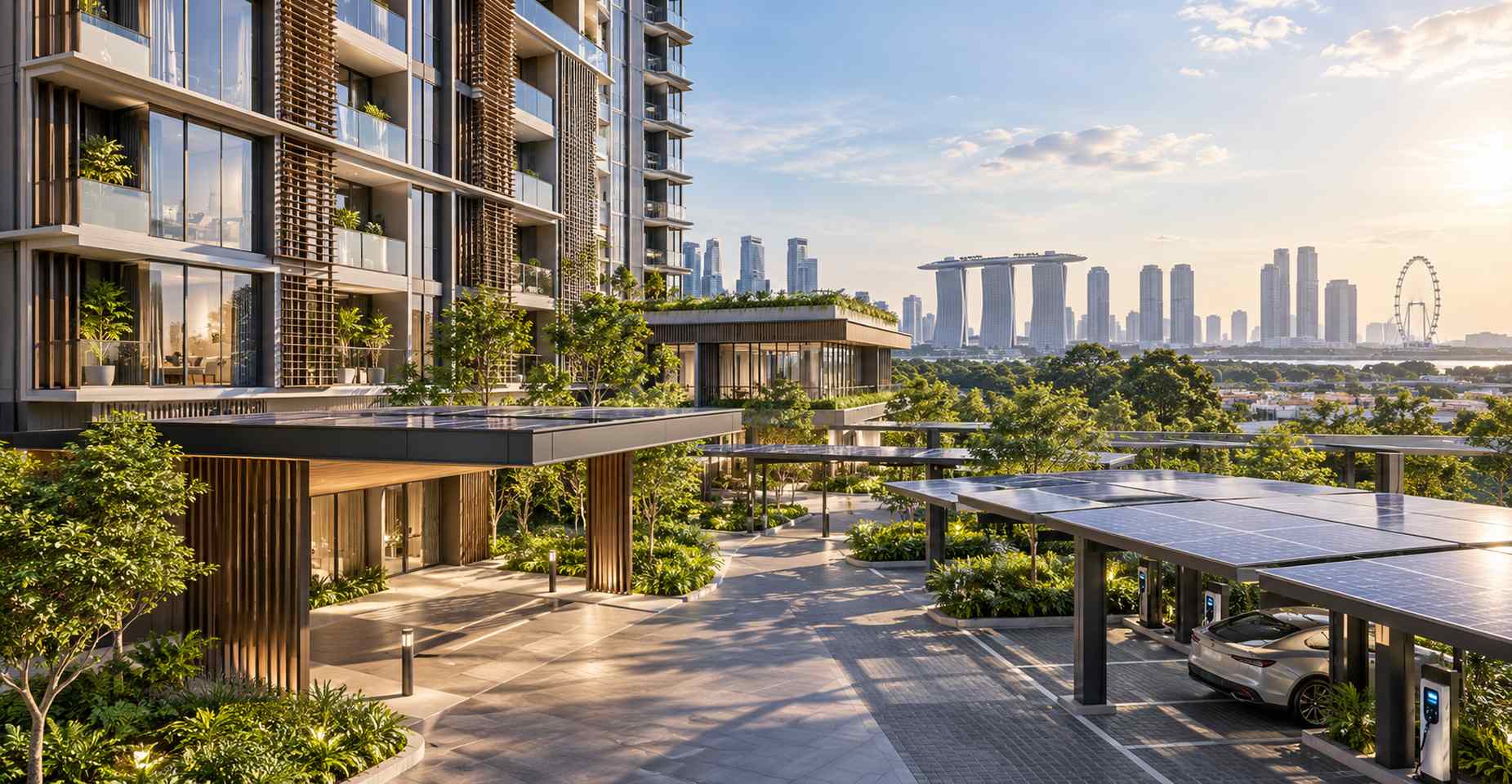
A condominium may look impressive in photographs and showflat presentations, but its everyday comfort depends on details that are not always immediately obvious. Natural lighting, ventilation and apartment orientation can influence how pleasant a home feels throughout the day.
These factors deserve attention when purchasing a property because homeowners will experience them repeatedly after moving in. A beautifully designed apartment may become less appealing if its rooms receive insufficient daylight, become uncomfortably warm or have limited opportunities for natural ventilation.
Understanding these considerations can help buyers evaluate individual units more carefully before making a commitment.
1. Why Natural Lighting Should Influence Your Choice
Natural daylight contributes to the overall atmosphere of a residential apartment.
A well-lit living room can feel more welcoming, while bedrooms with suitable daylight may provide a more pleasant environment during the daytime.
However, the amount of natural light entering a unit depends on several factors.
These include:
- Window dimensions and placement.
- Building orientation.
- Distance from neighbouring structures.
- Floor level.
- External obstructions.
- Internal room arrangements.
Buyers should examine the actual apartment rather than relying solely on the development’s architectural illustrations.
For example, a unit facing an open landscape may receive different amounts of daylight compared with another unit facing a nearby residential block.
It is also important to understand that brighter is not always better. Excessive direct sunlight can increase indoor temperatures and create glare, particularly in living rooms with large windows.
The objective is to find a comfortable balance between daylight, shading and indoor temperature.
2. Understand How Singapore’s Sun Direction Affects Apartments
Singapore’s tropical climate makes solar exposure an important consideration when selecting a condominium unit.
The sun moves across different positions throughout the year, and apartments with different orientations may experience varying sunlight conditions.
East-facing windows generally receive stronger morning sunlight, while west-facing windows may experience more intense afternoon exposure.
For some households, morning sunlight may be preferable because it provides natural brightness earlier in the day.
Others may prefer to minimise afternoon heat, particularly in bedrooms and living spaces used frequently during the evening.
However, orientation alone does not determine indoor temperature.
External shading, neighbouring buildings, window design and ventilation can all influence the amount of heat entering an apartment.
During a viewing, buyers should ask about the unit’s orientation and examine the position of its main windows.
If possible, visit at different times of the day to understand how sunlight moves across the apartment.
3. Examine Cross-Ventilation and Window Placement
Natural ventilation can improve indoor comfort by allowing air to move through different parts of an apartment.
Cross-ventilation generally occurs when air can enter through one opening and move towards another opening on a different side of the unit.
This arrangement may be possible in some apartment layouts but limited in others.
When inspecting a floor plan, examine whether windows and openings are positioned to support airflow.
Corner units may offer different window arrangements compared with units located between neighbouring apartments.
However, buyers should not automatically assume that every corner unit has superior ventilation.
The surrounding building configuration and prevailing wind conditions also influence airflow.
Pay attention to whether bedrooms, kitchens and bathrooms have suitable ventilation arrangements.
For households that prefer natural airflow, these details can be more important than decorative interior finishes.
4. Consider the Impact of Nearby Buildings
A condominium’s surroundings can influence the natural lighting and privacy of individual units.
Nearby residential blocks, commercial buildings and other structures may affect the amount of daylight entering an apartment.
They may also influence views and ventilation.
Buyers should therefore examine the wider site layout rather than focusing exclusively on the selected unit.
For new developments, review the available site plan and understand the position of neighbouring buildings.
For resale apartments, physical inspections provide an opportunity to observe existing conditions.
It is also worth considering whether nearby undeveloped land may eventually accommodate new buildings, subject to the relevant planning approvals.
Singapore’s Master Plan and URA planning information can help buyers understand the designated land uses surrounding a development.
However, future development outcomes should not be assumed without official information.
5. How Northern Singapore Developments Differ in Their Surroundings
The northern region offers a variety of residential environments, making it useful for buyers to compare site layouts and surrounding land uses.
Chencharu Central Residences is a planned private mixed-use condominium at Chencharu Close in Yishun, District 27.
The development is expected to accommodate up to approximately 875 homes and include a hawker centre, bus interchange and retail facilities.
It is approximately 0.45 to 0.49km from Khatib MRT station.
Because it is a mixed-use development, buyers should examine the eventual positioning of residential blocks in relation to commercial components and surrounding structures.
This may influence considerations such as daylight, privacy and exposure to activity around shared facilities.
Fablewoode Residences is a planned executive condominium along Sembawang Road.
It is expected to comprise approximately 265 low-rise homes and has a plot ratio of 1.4.
The development is around 0.5km from Canberra MRT station and next to the Sungei Simpang Kanan park connector.
Its low-rise residential concept offers a different development profile.
However, buyers should still examine the official site plan and individual unit orientation before drawing conclusions about sunlight or ventilation.
6. Why Floor Level Can Make a Difference
Floor level is another factor that can influence an apartment’s living environment.
Higher-floor units may have more open views and fewer immediate obstructions, depending on the surrounding buildings.
Lower-floor apartments may provide easier access to certain shared facilities and landscaped areas.
However, higher floors are not automatically brighter or better ventilated.
A high-floor apartment facing another tall building may still have restricted views and limited direct sunlight.
Likewise, a lower-floor apartment with favourable spacing between buildings may receive excellent natural light.
Buyers should assess floor level together with orientation, surrounding structures and the actual position of windows.
The most suitable choice depends on the household’s priorities rather than a general preference for higher floors.
7. A Practical Checklist During Your Unit Viewing
When visiting a completed condominium or reviewing a showflat, use a consistent inspection approach.
Consider these questions:
- Which direction do the main windows face?
- Does the living room receive sufficient natural daylight?
- Are bedrooms exposed to strong afternoon sunlight?
- Can windows be opened to allow natural airflow?
- Are there nearby buildings that obstruct views?
- Is there adequate privacy from neighbouring apartments?
- Do balconies or external shading reduce excessive sunlight?
- Are the kitchen and bathrooms adequately ventilated?
For new launches, remember that a showflat may use artificial lighting and carefully arranged furnishings.
It may not accurately represent the actual lighting conditions of every available unit.
Request the official floor plan, site plan and orientation information before selecting an apartment.
8. Balance Comfort With Other Purchasing Considerations
Natural lighting and ventilation are important, but they should not become the only factors influencing a property decision.
Buyers must also consider affordability, transport connections, household requirements, maintenance costs and the development’s overall characteristics.
A unit with excellent sunlight may be unsuitable if its layout does not meet the family’s needs.
Similarly, an attractive view may not justify stretching the household budget beyond a comfortable level.
Compare several units and assess their strengths and limitations objectively.
Looking Beyond the Showflat Presentation
Natural lighting, ventilation and orientation are practical aspects of condominium ownership that deserve attention before purchasing.
These features influence daily comfort and can be difficult or expensive to change after construction.
By examining window placement, building orientation, surrounding structures and individual floor plans, buyers can develop a clearer understanding of what living in a particular apartment may feel like.
A careful viewing should go beyond attractive interiors and focus on how the home performs under Singapore’s actual living conditions.