
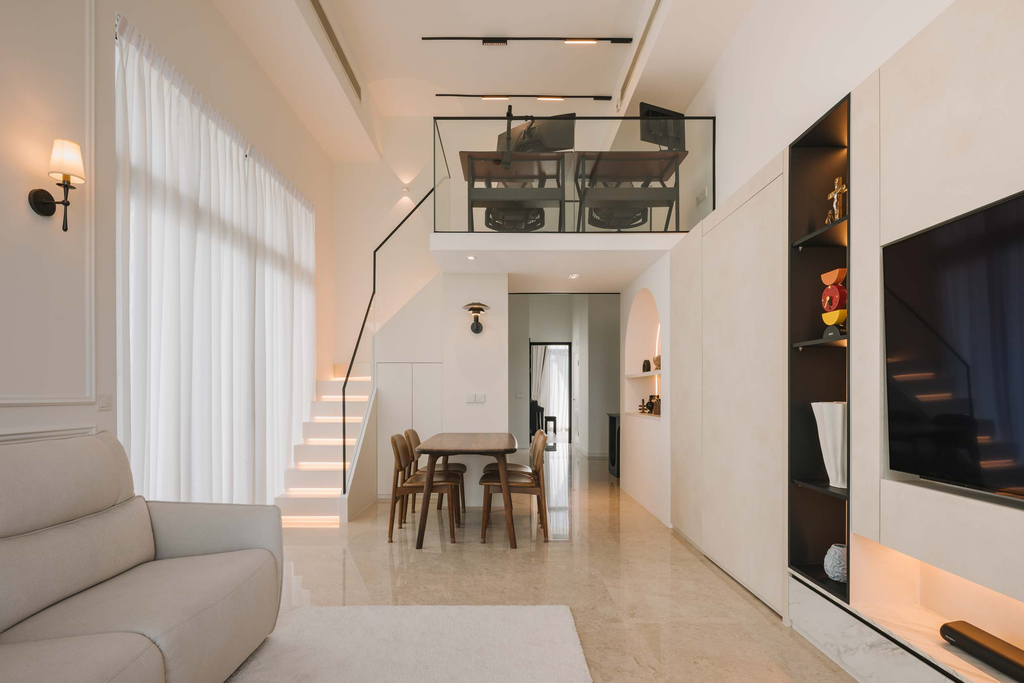
A well-designed home is not simply about attractive furniture, fashionable colours, or expensive finishes. Good interior design combines visual appeal with practical functionality, creating spaces that support everyday activities and make residents feel comfortable. In Singapore, where many households live in apartments with carefully planned floor areas, making effective use of available space is particularly important.
Homebuyers increasingly pay attention to layouts, storage opportunities, natural lighting, and flexible room arrangements when comparing residential properties. Understanding these elements can help purchasers identify homes that offer lasting practical value rather than temporary visual appeal.
The Importance of Space Planning
Space planning is one of the foundations of effective interior design. It involves arranging furniture, fixtures, and functional areas in a way that allows residents to move comfortably throughout the home.
A poorly arranged room may feel crowded even when it has a reasonable floor area. Conversely, a thoughtfully designed layout can make a smaller apartment feel more organised and functional.
When assessing a residential property, buyers should consider:
- Whether furniture can be arranged without obstructing walkways.
- Whether the living and dining areas have practical proportions.
- Whether bedroom layouts allow comfortable furniture placement.
- Whether storage areas are sufficient for household belongings.
- Whether doors and cabinets can open without interfering with other fixtures.
These details can influence the everyday experience of living in a property.
Natural Lighting and Its Effect on Interior Spaces
Natural light can significantly influence the atmosphere of a home. Rooms with suitable window placement may feel brighter and more welcoming during daylight hours.
In Singapore’s tropical environment, natural lighting should be balanced with appropriate shading and heat management.
Buyers can examine window orientation, surrounding buildings, and potential sunlight exposure during property viewings.
Developments such as Langdon Heights can be considered in discussions about how prospective homeowners assess residential layouts and the relationship between interior spaces and their surroundings.
However, actual lighting conditions should always be evaluated through verified unit information and physical inspections where possible.
Choosing Colours That Create a Comfortable Environment
Colour selection is an important aspect of interior design because different shades can influence the visual character of a room.
Neutral colours such as white, beige, and soft grey are commonly used because they can create a clean appearance and complement different furniture styles.
Warmer tones may introduce a more inviting atmosphere, while carefully selected darker colours can add contrast and visual depth.
Homeowners do not need to follow every interior design trend. Instead, they should choose combinations that reflect their preferences and remain practical over time.
A balanced colour scheme can also make it easier to update furniture and decorative elements without undertaking major renovation work.
Smart Storage Solutions for Urban Homes
Storage is an important consideration for Singapore households, particularly when several people share a limited living area.
Well-planned storage can help reduce clutter and make rooms easier to maintain.
Some practical options include:
- Built-in wardrobes that use available wall space efficiently.
- Storage compartments beneath beds.
- Multi-purpose furniture with concealed storage.
- Shelving systems that make use of vertical space.
- Organised kitchen cabinets for everyday appliances and utensils.
Before purchasing additional furniture, homeowners should measure available spaces carefully. Oversized cabinets and bulky furniture can reduce movement areas and make a home feel less comfortable.
Creating Flexible Spaces for Modern Households
Modern households may use residential spaces for several purposes. A spare bedroom might function as a study, guest room, or personal workspace depending on changing requirements.
Flexible furniture can help homeowners adapt rooms without extensive renovation.
Foldable desks, movable partitions, compact dining tables, and convertible furniture are examples of solutions that may improve functionality.
Buyers evaluating Chencharu Central Residences can use these principles when examining floor plans and considering how individual layouts may accommodate different household arrangements.
The key is to assess the actual dimensions and configuration of each unit rather than assuming that every room can serve multiple purposes comfortably.
Selecting Materials for Singapore’s Climate
Singapore’s warm and humid climate makes material selection particularly important.
Materials used in kitchens, bathrooms, and other moisture-prone areas should be suitable for the conditions in which they will operate.
Homeowners may consider:
- Moisture-resistant cabinetry for selected areas.
- Durable flooring that is easy to clean.
- Suitable bathroom finishes.
- Ventilation provisions that help manage indoor humidity.
- Quality sealants and waterproofing arrangements.
The suitability of materials depends on installation quality, maintenance requirements, and actual product specifications.
Professional advice can help homeowners choose finishes that balance appearance, durability, and cost.
Lighting Design Beyond the Use of Natural Daylight
Artificial lighting also contributes to the functionality of residential interiors.
Different activities require different lighting arrangements. Bright task lighting may be useful in kitchens and study areas, while softer ambient lighting can create a more relaxed atmosphere in living spaces.
A layered lighting approach can combine general illumination, task lighting, and selected accent lighting.
Homeowners should also consider energy-efficient lighting options and ensure that electrical installations comply with relevant safety requirements.
Managing Renovation Budgets Effectively
Interior design projects can become expensive if homeowners do not establish a clear budget.
Before beginning renovation work, buyers should identify essential improvements and distinguish them from optional decorative upgrades.
A practical budget may include:
- Basic electrical and plumbing work.
- Flooring and wall finishes.
- Kitchen and bathroom improvements.
- Carpentry and storage solutions.
- Lighting installations.
- Furniture and appliances.
- A contingency allowance for unexpected expenses.
Obtaining quotations from several renovation contractors can help homeowners compare costs and understand the proposed scope of work.
They should also check relevant requirements, including building management rules and applicable renovation approvals, before starting work.
Personal Style Versus Long-Term Practicality
An attractive interior should reflect the homeowner’s personality, but excessive customisation may reduce flexibility.
Highly specialised furniture arrangements or permanent design features can make it harder to adapt the property when household requirements change.
A balanced approach is to use timeless finishes for major elements and introduce personal style through furniture, artwork, lighting, and decorative accessories.
This allows homeowners to refresh their interiors without repeatedly undertaking major renovation projects.
Conclusion
Interior design plays an important role in making Singapore homes comfortable, functional, and visually appealing. Effective space planning, natural lighting, organised storage, suitable materials, and flexible furniture arrangements can improve the way residents use their living spaces.
Prospective buyers should look beyond decorative presentation and examine the practical potential of a property’s layout. By combining thoughtful design choices with realistic renovation planning, homeowners can create living environments that remain useful and comfortable as their needs evolve.