
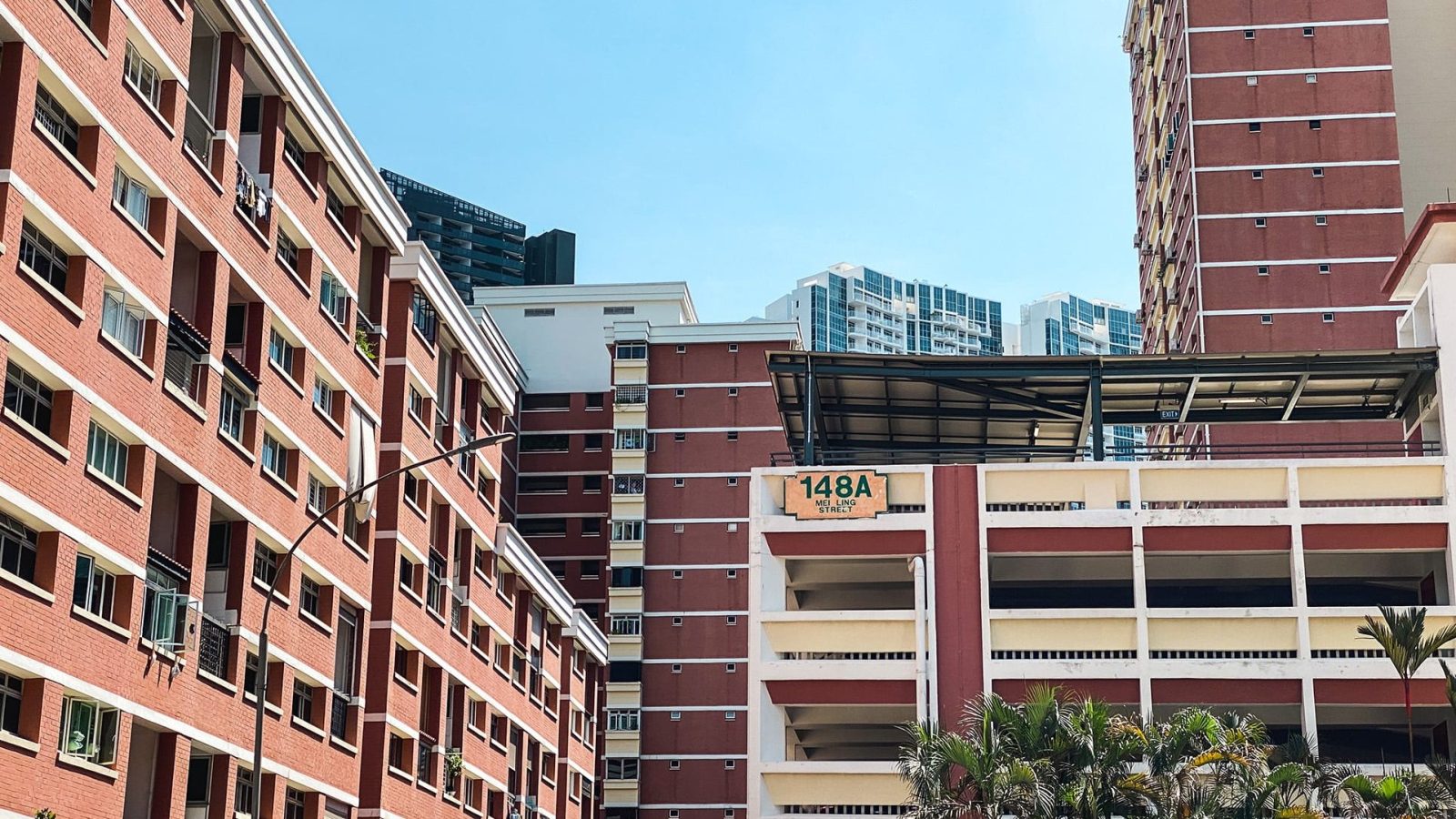
For many Singapore homeowners, upgrading from an HDB flat to an executive condominium (EC) represents an important housing decision. It can provide an opportunity to enjoy private condominium-style living while remaining within a housing category designed for eligible local households.
However, upgrading is not simply a matter of selling an existing flat and purchasing a larger property. Homeowners must consider their finances, eligibility, existing mortgage commitments and future housing plans.
Here are five important considerations for HDB owners evaluating whether an EC upgrade makes sense.
1. Assess Your Eligibility Before Making Plans
The first step is determining whether your household qualifies to purchase a new EC.
Under the established eligibility framework, applicants generally need to form an eligible family nucleus and satisfy citizenship requirements. At least one applicant must be a Singapore citizen.
The household income ceiling has traditionally been S$16,000 per month, although applicable project-specific rules should be checked.
Existing HDB owners must also satisfy relevant property ownership and occupation requirements. In particular, buyers generally need to fulfil the applicable Minimum Occupation Period (MOP) before purchasing a new EC.
Households should not assume that completing five years in their flat automatically settles every eligibility requirement. Previous property ownership, housing subsidies and other circumstances may affect their application.
HDB remains the appropriate authority for confirming individual eligibility.
2. Calculate the Financial Impact of Selling Your HDB Flat
Selling an existing HDB flat can provide funds towards an EC purchase, but homeowners should calculate the actual proceeds rather than relying on an estimated selling price.
Several items may affect the amount available:
- Outstanding HDB housing loan.
- CPF savings withdrawn for the flat, including accrued interest.
- Outstanding transaction-related expenses.
- Applicable property agent and legal fees.
- Any other financial obligations associated with the sale.
When a property is sold, CPF savings previously used for its purchase and housing loan repayments generally need to be refunded to the relevant CPF accounts, together with accrued interest.
This means the amount received from selling an HDB flat may be different from the gross difference between its selling price and original purchase price.
Homeowners should obtain an updated loan statement and CPF housing refund estimate before making a purchasing commitment.
3. Compare the Financial Commitments of an EC
An EC purchase can involve a higher financial commitment than maintaining an existing HDB flat.
Buyers should assess the downpayment, mortgage instalments, stamp duties and other expenses before deciding on an upgrade.
The Mortgage Servicing Ratio (MSR) is particularly important. For applicable new EC purchases, monthly housing loan repayments are generally capped at 30% of gross monthly income.
The Total Debt Servicing Ratio (TDSR) may also influence borrowing capacity because it considers other relevant debt obligations.
Households with car loans, personal loans or existing financial commitments should include these obligations in their calculations.
It is also sensible to maintain an emergency savings buffer rather than committing every available dollar towards the purchase.
4. Consider Whether an EC Suits Your Lifestyle
An upgrade should offer practical benefits beyond a change in property classification.
Households may be attracted to ECs because of their private residential facilities, development layouts and potential access to different neighbourhood environments.
However, buyers should compare locations based on their everyday routines.
For example, families with school-going children may prioritise nearby educational institutions, while working adults may place greater importance on MRT accessibility.
Two upcoming developments offer different neighbourhood settings worth examining.
Solano Grand is proposed for Senja Close in Bukit Panjang, District 23. Developed by City Developments Limited (CDL), it is expected to comprise approximately 302 homes across two towers of 26 and 27 storeys.
Its surroundings include Senja Woods, Zhenghua Nature Park and Senja Hawker Centre. Jelapang LRT is approximately 0.36km away, although actual walking distances may differ.
The project’s launch is targeted for Q1 2027, with pricing yet to be announced.
Wynwood Grand, meanwhile, is proposed for Woodlands Drive 17, District 25. The development is expected to contain 430 homes across 14 blocks of eight storeys.
Woodlands South MRT is approximately 0.33km away, while Woodlands Healing Garden and the Woodlands Hospital and Health Campus are nearby.
Its launch is also targeted for Q1 2027, with pricing to be announced.
Both locations offer different considerations for households comparing established neighbourhood amenities with their commuting and family requirements.
5. Plan the Transition Between Properties Carefully
One of the biggest challenges when upgrading is coordinating the sale of an existing HDB flat with the purchase of an EC.
Some households prefer to sell their flat before purchasing their next property to release funds and reduce financial exposure.
Others may need to consider temporary accommodation if the completion dates do not align.
Buyers should discuss their circumstances with their solicitor, bank and property professionals before committing to transaction deadlines.
They should also consider the EC’s construction schedule. Purchasing a property that is still under development means the household may need to manage its existing housing arrangements for several more years.
Understanding payment milestones and the applicable Deferred Payment Scheme arrangements, where available, can help with cash-flow planning.
Final Takeaway
Upgrading from an HDB flat to an EC can be a suitable next step for households seeking a different residential environment and greater housing options.
However, the decision should be based on financial readiness, eligibility and long-term lifestyle requirements rather than the desire to own a more expensive property.
By calculating sale proceeds accurately, reviewing financing restrictions and comparing neighbourhoods carefully, homeowners can approach an EC upgrade with clearer expectations and better financial preparation.
Always confirm current eligibility conditions with HDB, financing requirements with MAS-regulated financial institutions, and applicable tax obligations with IRAS before proceeding.