
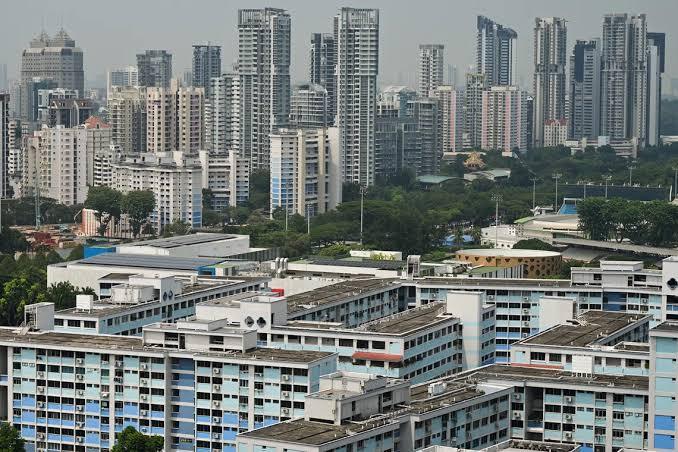
Purchasing a first residential property is an important milestone, particularly in a competitive property market such as Singapore. For many first-time buyers, owning a private condominium represents an opportunity to enjoy greater residential independence, modern facilities, and access to established neighbourhood amenities.
However, entering the property market requires careful planning. Buyers must understand property prices, financing arrangements, government regulations, ownership tenure, and the factors that influence residential demand. Making a decision based purely on market excitement or promotional materials can lead to unnecessary financial pressure.
Singapore’s property market offers a wide range of residential opportunities across different districts. Developments such as One Chuan Grove and River Opus demonstrate how location, development concepts, and ownership tenure can influence purchasing decisions.
This guide explores important considerations that first-time homebuyers should understand before purchasing a private condominium in Singapore.
1. Understanding Singapore’s Private Residential Property Market
Singapore’s residential property market includes public housing, executive condominiums, and private residential developments.
Private condominiums attract buyers who value residential facilities, apartment choices, and the flexibility associated with private property ownership.
The market includes properties in central districts as well as established suburban neighbourhoods.
Central locations may appeal to buyers who prioritise proximity to commercial districts, shopping destinations, and lifestyle amenities.
Suburban neighbourhoods may attract families and individuals seeking established community facilities, schools, and transportation connections.
Understanding these differences is important because residential properties should be evaluated according to their actual location and suitability rather than simply their district classification.
First-time buyers should also follow current market conditions and official property transaction data when comparing developments.
2. Establishing a Realistic Property Budget
Financial preparation should be the first step when considering a condominium purchase.
Buyers need to determine how much they can comfortably afford without placing excessive pressure on their monthly finances.
The purchase price is only one component of the overall financial commitment.
Other expenses may include:
- Buyer’s Stamp Duty and any applicable Additional Buyer’s Stamp Duty.
- Legal and conveyancing fees.
- Mortgage repayments and interest expenses.
- Monthly condominium maintenance contributions.
- Property taxes.
- Home insurance.
- Renovation and furnishing expenses.
Buyers should also maintain sufficient financial reserves for unexpected expenses.
A property that appears affordable based on its advertised price may become financially challenging once all associated costs are included.
Consulting a mortgage specialist or financial adviser can help purchasers understand their borrowing capacity and repayment obligations.
3. Understanding Mortgage Financing
Mortgage financing is an essential consideration for most private residential property purchasers.
Singapore has established financing regulations that influence how much buyers can borrow.
The applicable loan-to-value limit depends on factors such as the number of outstanding housing loans and the relevant loan tenure conditions.
The Total Debt Servicing Ratio also applies to property loans and limits the proportion of a borrower’s gross monthly income that can be used for debt repayments.
Buyers should understand these requirements before committing to a property.
It is advisable to obtain an In-Principle Approval from a bank before selecting a specific apartment.
This can provide a clearer understanding of potential financing arrangements.
First-time buyers should also compare mortgage interest rates, repayment structures, and the financial implications of different loan packages.
4. Choosing Between Central and Suburban Locations
Location can influence residential convenience, lifestyle preferences, and property affordability.
Central neighbourhoods often provide access to shopping destinations, restaurants, business districts, and established recreational facilities.
Suburban areas may offer a different residential environment with established schools, community amenities, and neighbourhood shopping centres.
For example, One Chuan Grove is located along Chuan Grove in District 19, within the Lorong Chuan and Serangoon neighbourhood.
Its proximity to Lorong Chuan MRT Station on the Circle Line provides transportation connections to other parts of Singapore.
The wider neighbourhood also offers access to shopping destinations such as NEX and Junction 8.
River Opus, meanwhile, is located at 491 River Valley Road in District 10.
Its location provides access to Great World, Robertson Quay, and the Singapore River.
Great World and Havelock MRT stations on the Thomson-East Coast Line serve the wider neighbourhood.
These two locations demonstrate different residential opportunities.
Buyers should consider their workplace, family requirements, preferred lifestyle, and transportation needs when choosing between central and suburban developments.
5. Understanding Property Ownership Tenure
Property tenure is another important consideration for first-time buyers.
One Chuan Grove has a 99-year leasehold tenure, while River Opus has a 999-year leasehold tenure.
A 99-year leasehold property provides ownership rights for a specified period, with the remaining lease gradually decreasing over time.
A 999-year leasehold property offers a substantially longer ownership period, although it remains technically leasehold rather than freehold.
The appropriate tenure depends on the purchaser’s intended holding period and ownership objectives.
Buyers should also understand that tenure alone does not determine property value or investment performance.
Location, purchase price, development specifications, and market demand remain important considerations.
6. Evaluating New Launch Condominium Developments
New launch condominiums can attract first-time buyers because they provide access to newly planned residential developments.
These projects may offer modern apartment layouts, contemporary facilities, and newly designed communal spaces.
However, purchasing a property before construction is completed requires additional planning.
Buyers should examine the approved development plans, unit mix, floor areas, estimated completion timeline, and contractual documentation.
They should also understand the progressive payment structure applicable to qualifying uncompleted residential properties.
For One Chuan Grove, buyers should investigate its residential configurations, development plans, and surrounding amenities.
Those considering River Opus should examine its mixed-use concept, residential arrangements, and commercial components.
Comparing official project information can help buyers understand the complete residential proposition.
7. The Importance of Transportation Accessibility
Transportation connectivity is an important factor in property selection.
Many Singapore homebuyers prefer residential developments located within convenient reach of MRT stations.
Reliable transportation can simplify commuting and provide access to shopping, educational, and recreational destinations.
One Chuan Grove benefits from its proximity to Lorong Chuan MRT Station.
River Opus benefits from access to Great World and Havelock MRT stations.
However, buyers should examine actual walking distances and travel routes rather than relying only on a development’s general location.
Visiting the neighbourhood during peak commuting periods can provide a better understanding of everyday transportation conditions.
8. Evaluating Property Investment Potential
First-time buyers sometimes purchase a condominium with the expectation that its value will increase over time.
Although residential property can form part of a long-term financial strategy, appreciation is never guaranteed.
Property prices can be affected by economic conditions, interest rates, government regulations, market sentiment, and available housing supply.
Investors should compare recent transactions involving similar properties.
Rental prospects should also be evaluated using realistic assumptions about achievable rent, vacancy periods, and ongoing expenses.
When considering One Chuan Grove and River Opus, purchasers should examine comparable developments in their respective neighbourhoods.
They should also account for the differences in tenure, development concept, and purchase price.
A sensible investment decision should remain financially manageable even if market conditions become less favourable.
9. Understanding Singapore’s Property Regulations
Singapore has various regulations governing residential property purchases.
These include stamp duties, mortgage financing requirements, foreign ownership restrictions where applicable, and seller’s stamp duty rules.
Additional Buyer’s Stamp Duty may apply depending on the purchaser’s residential status and property ownership circumstances.
Seller’s Stamp Duty may also apply when a residential property is sold within the applicable holding period.
Because these regulations can change, first-time buyers should consult the Inland Revenue Authority of Singapore, the Monetary Authority of Singapore, and qualified property professionals for current requirements.
Understanding these regulations before purchasing can help prevent unexpected financial obligations.
10. Avoiding Common Mistakes Made by First-Time Buyers
New buyers sometimes focus too heavily on attractive marketing presentations and overlook practical considerations.
Common mistakes include:
- Purchasing a property without establishing a realistic budget.
- Ignoring maintenance contributions and other ownership expenses.
- Failing to compare similar developments.
- Overlooking ownership tenure.
- Choosing an apartment without examining its actual floor plan.
- Assuming that property prices will always appreciate.
- Failing to investigate transportation and neighbourhood accessibility.
- Making decisions without reviewing official contractual documents.
Taking time to research these factors can help buyers approach the purchasing process more confidently.
Conclusion
Singapore’s private residential property market offers a wide range of opportunities for first-time homebuyers. However, purchasing a condominium requires careful consideration of affordability, financing, location, ownership tenure, development specifications, and market conditions.
One Chuan Grove offers a residential opportunity within the established Lorong Chuan and Serangoon neighbourhood, with access to the Circle Line and surrounding amenities.
River Opus presents a different proposition through its central River Valley location, mixed-use development concept, and 999-year leasehold tenure.
Both developments demonstrate how residential properties can offer different advantages depending on individual requirements.
Ultimately, first-time buyers should focus on finding a property that provides an appropriate balance between lifestyle convenience and financial sustainability. Thorough research, professional advice, and realistic financial planning are essential steps towards making a responsible property purchase in Singapore.